
A Message to Sellers
Selling your home is more than a transaction—it’s an important step toward your next chapter. I understand the emotions, decisions, and opportunities that come with the process, and I’m here to make your experience as smooth and rewarding as possible.
Your home has a story, and I’m committed to presenting it in its best light. From developing a thoughtful pricing strategy to creating a customized marketing plan, my goal is to attract qualified buyers, protect your interests, and help you achieve the best possible outcome.
You don’t have to navigate the selling process alone. I’ll provide clear communication, professional guidance, and dedicated support from our first conversation through closing.
When you’re ready, let’s discuss your goals and create a plan for a confident, successful sale.
Sell your home with clarity and confidence
〰️
Sell your home with clarity and confidence 〰️
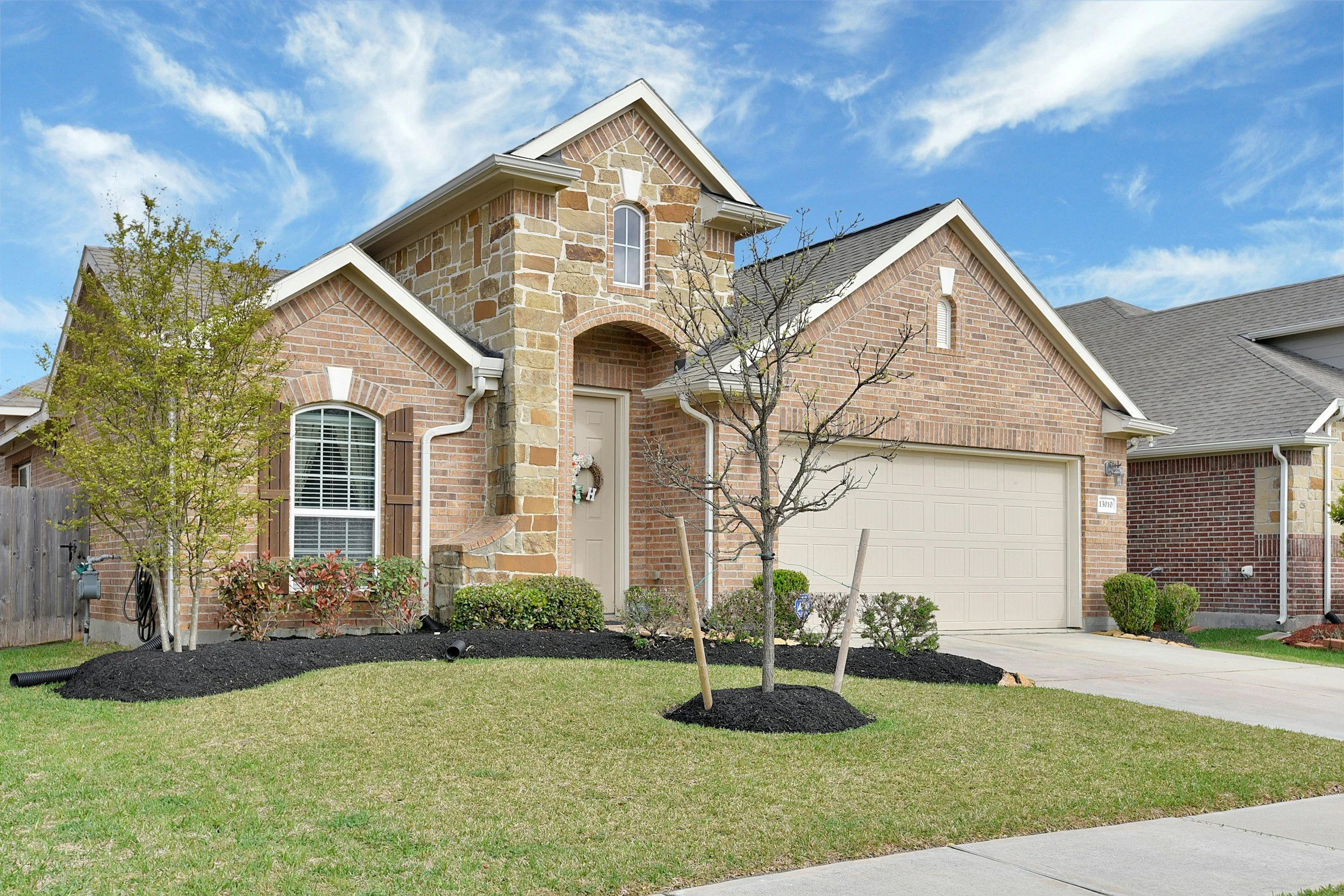
What could my home sell for?
Every home is unique. Receive a personalized marketing plan to help you design your own local trends, and my proven pricing strategy.
Resources to help you sell with confidence

Preparing your home for sale can feel overwhelming, but an organized plan makes the process easier. This printable Georgia Home Seller Checklist helps you work through the most important preparation tasks before your home reaches the market.
Use the checklist to organize:
• Repairs and routine maintenance
• Cleaning and decluttering
• Curb-appeal improvements
• Staging and room preparation
• Real estate photography preparation
• Showing-day tasks
• Final details before listing
Work through each section at your own pace and check off tasks as they are completed. When you are ready to discuss pricing, timing and a personalized selling strategy, connect with Dominique Moore, REALTOR®.

Selling a home involves more than placing a sign in the yard. This Georgia Home Seller’s Guide walks you through the major steps—from preparing your property and determining a competitive price to marketing, reviewing offers and preparing for closing.
Download the guide to learn:
• How to prepare your home for the market
• What influences your home’s value
• How pricing and marketing work together
• What to expect when reviewing offers
• Common selling expenses and closing steps
• How a Georgia REALTOR® can guide the process
Whether you are preparing to sell soon or simply exploring your options, this guide will help you make informed decisions with greater confidence.
Home Selling Frequently Asked Questions
-
Start by decluttering, deep cleaning, completing minor repairs, improving curb appeal, and removing overly personal items. These steps can help buyers focus on the home’s features and imagine themselves living there.
Before making expensive improvements, consult a REALTOR®. Some renovations may not provide a strong return, while strategic updates, professional photography, and thoughtful staging can make your home more appealing to buyers.
-
The time it takes to sell a home in Georgia varies based on location, price, condition, buyer demand, financing, and current market conditions. A well-priced and properly marketed home may attract offers quickly, while an overpriced property may remain on the market longer.
After accepting an offer, many financed transactions take approximately 30 to 45 days to close. Cash purchases may close sooner, depending on the contract terms and due diligence requirements.
-
Common home-selling costs in Georgia may include real estate brokerage compensation, closing attorney fees, repairs, staging, moving expenses, mortgage payoff amounts, property taxes, and seller-paid concessions negotiated in the contract.
Your actual costs will depend on your property and the terms of the sale. Before listing, request a seller net sheet to estimate how much money you may receive after the mortgage and selling expenses are paid.
-
A local REALTOR® can help you prepare and price your home, develop a marketing strategy, coordinate showings, evaluate offers, negotiate contract terms, and manage the process through closing. Local market knowledge also helps identify what nearby buyers value and how your home compares with competing properties.
No agent can guarantee a specific price or timeline, but professional guidance can help you avoid common mistakes and make informed decisions. As a Georgia REALTOR®, Dominique Moore helps homeowners navigate the selling process with clarity, preparation, and confidence.
-
The right listing price is based on recent comparable sales, competing listings, your home’s condition, neighborhood demand, and current market trends. Your mortgage balance, renovation expenses, or desired profit do not necessarily determine what buyers are willing to pay.
Pricing too high can reduce buyer interest, while pricing strategically can improve visibility and encourage stronger activity. A comparative market analysis provides local data to support an informed pricing decision.
-
Spring and early summer are often active selling seasons in Georgia because families may prefer to move before the new school year. However, serious buyers search for homes throughout the year, and selling during a less competitive season may help your property receive more attention.
The best time to sell depends on your financial goals, moving timeline, home condition, neighborhood inventory, and local market demand—not only the season.
-
The right decision depends on your home’s condition, your timeline, your available budget, and local buyer expectations. Minor repairs—such as fixing leaks, replacing damaged fixtures, touching up paint, and improving curb appeal—may help your home show better and reduce buyer concerns.
Selling a home “as-is” generally means you do not plan to make repairs, but buyers may still request inspections or negotiate based on their findings. A REALTOR® can help you compare the potential benefits of repairing the home versus selling it in its current condition.
-
Your home’s value depends on its location, condition, size, upgrades, neighborhood demand, and recent comparable home sales. Online estimates can provide a starting point, but they may not reflect your home’s unique features or current local market conditions.
A local Georgia REALTOR® can prepare a comparative market analysis to help you understand your home’s estimated market value and determine a competitive listing price.
Your home should support your retirement—not quietly consume it. Learn how rising maintenance costs, property taxes, insurance, utilities and unused space may be draining your savings—and when downsizing or selling could help protect your financial future.